eBird
ABOUT us
FAQs
CONTACT us
ECUADOR
8 DAYS BIRDING ITINERARY: FROM PÁRAMO (GRASSLANDS) TO AMAZON LOWLANDS
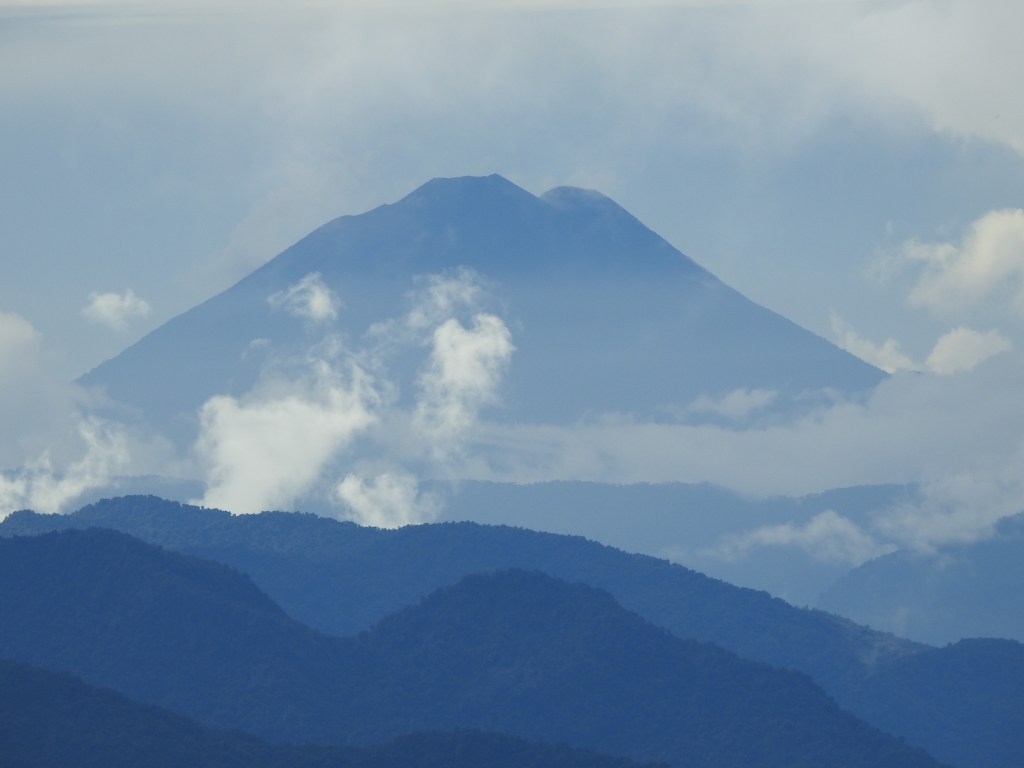
Sumaco Volcano, Napo-Ecuador © Juan Carlos Crespo
This 8-day birding itinerary offers an extraordinary journey through Ecuador’s diverse ecosystems, taking you from the high-altitude grasslands of the Páramo to the lush, vibrant Amazon Lowlands. This expedition is a spectacular opportunity to witness a breathtaking array of avian species, each adapted to its unique habitat.
The adventure begins in the dramatic landscapes of the Andes, where you will explore the Chakana Reserve and Antisana National Park. Here, you will search for iconic highland birds like the majestic Andean Condor, the elusive Ecuadorian Hillstar, and the striking Silvery Grebe. You’ll move through volcanic terrain, cloud forests, and wetlands, encountering species such as Andean Ibis and Carunculated Caracara.
As the journey progresses, you will descend the eastern slopes of the Andes, transitioning through the humid montane forests to lower elevation humid forest. This shift in elevation brings a dramatic change in avifauna, from the Torrent Duck and Gray-breasted Mountain-Toucan to the dazzling hummingbirds and tanagers of the foothills. The itinerary culminates in the rich biodiversity of the Amazon lowlands, with stops at Sumaco and Misahuallí. Here, we’ll search for tropical species like the Hoatzin, Horned Screamer, Black-capped Donacobius and a variety of colorful tanagers, toucans, macaws, and antbirds.
This carefully crafted itinerary provides a comprehensive and immersive birding experience, showcasing the incredible natural wealth of Ecuador. It is a journey for anyone passionate about birds and the remarkable environments they inhabit, promising unforgettable sightings and a deeper appreciation for the country’s diverse landscapes.
DAY ONE: RESERVA CHAKANA (JOCOTOCO) & ANTISANA NATIONAL PARK
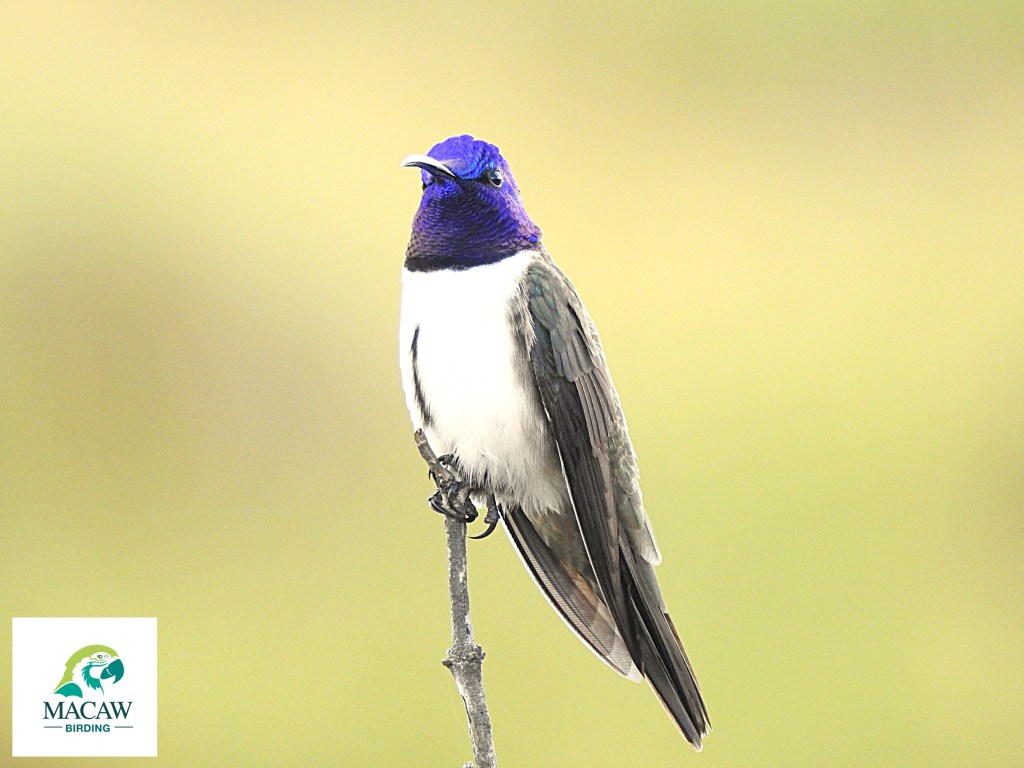
Ecuadorian Hillstar © Juan Carlos Crespo
Early pick up at your hotel in Quito or airport. Drive for 1.5 hours to reach the first birding spot that’s dominated by volcanic lava flow and some small patches of highland humid forest. Here, we’ll find the Red-crested Cotinga and some mixed flocks composed by Black-crested Warbler, Spectacled Redstar, Cinereous Conebill, Tufted Tit-Tyrant, Brown-backed Chat-Tyrant, and others.
Target birds: Red-crested Cotinga, Spectacled Redstar, Cinereous Conebill, Tufted Tit-Tyrant, Brown-back Chat-Tyrant, Black-crested Warbler, etc.
The second birding spot is at Mirador del Cóndor Andino or Andean Condor Lookout, which was designed and installed by Jocotoco Foundation to allow local and foreing tourists to watch Andean Condors that usually fly by and perch at the Peñon del Isco (Isco Cliff). Peñon del Isco is one of the best places in country to see Andean Condors in their natural habitat. Around this small spot, it is possible to see more pretty birds like the Black Flowerpiercer, Black-tailed Trainbearer, Tyriant Metaltail and sometimes the Giant Hummingbird.
From here, we’ll keep birding at Chakana Reserve that’s owned by Jocotoco Foundation. This private reserve is located at the upper ridge of the Isco Cliff. Here, we will have an up-close view of Andean Condors flying overhead and across the cliff. This private reserve was created in 2011 by Jocotoco Foundation to protect the Andean Condors from extinction. Then, we’ll focus to search for one of the most beautiful hummingbird in Ecuador, the Ecuadorian Hillstar. This hummingbird feeds primarily on small shrubs of Chuquiragua (Chuquiraga jussieui) known as the Flower of the Andes. Additionally, in this area it is possible to see other pretty birds like Shining Sunbeam, Stout-billed Cinclodes, Plumbeous Sierra-Finch, Tawny Antpitta, and others.
Target birds: Andean Condor, Black-tailed Trainbearer, Ecuadorian Hillstar, Shining Sunbeam, Stout-billed Cinclodes, Plumbeous Sierra-Finch, Tawny Antpitta, Black-billed Shrike-Tyrant, etc.
From Chakana reserve, we’ll move to Antisana National Park. Here, we will be birding in different habitats like small patches of srubbs, grasslands, Polylepis trees and a big wetland named Laguna La Mica (Mica Lagoon). At these different habitats, we will search for Andean Ibis, Caranculated Caracara , Andean Gulls, Andean Tit-Spinetail, Black-billed Shrike-Tyrant and many others. On the way to the lagoon, we’ll look for some terrestrial birds like Tawny Antpitta, Many-striped Canastero, Plain-capped Ground-Tyrant. Once we arrival to the laggon, we will search for waterfowls like the rare and striking Silvery Grebe, Andean Teal, Andean Duck, Slate-colored Coot, Yellow-billed Pintail and Andean Lapwing.
Target birds: Andean Ibis, Carunculated Caracara, Stout-billed and Chestnut-winged Cinclodes, Andean Tit-Spinetail, Many-striped Canastero, Striped-backed Canastero, Paramo Pipit, Plain-capped Ground-Tyrant, Silvery Grebe, Andean Teal, Andean Duck, Slate-colored Coot, Yellow-billed Pintail and Andean Gull.
Next place to visit will be a nice private reserve Tambo Condor on the way back to Quito. Here, we’ll enjoy a delicious lunch and then spend time looking for different species of hummingbirds like the majestic Giant Hummingbird, Sparkling Violetear, Great Sapphirewing, Shining Sunbeam and Tyriant Metaltail.
Target birds: Giant Hummingbird, Great Sapphirewing, Shining Sunbeam, Tyriant Metaltail, Sparkling Violetear, and possible Sword-billed Hummingbird, etc.
In the afternoon, we’ll leave Antisana to head back to the main highway that connects Quito with the town of Papallacta hotsprings . From Papallacta we’ll go directly to Guango reserve.
Overnight Guango lodge
DAY 2: GUANGO RESERVE, PAPALLACTA-RADIO ANTENNAS & VICINITIES
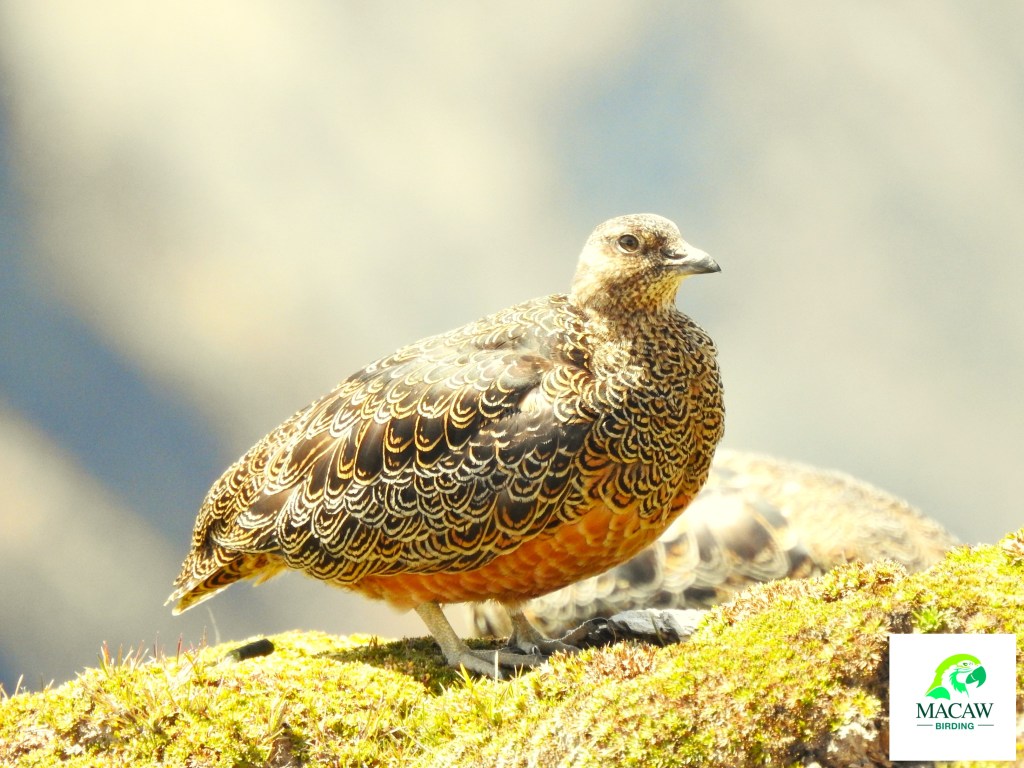
Rufous-bellied Seedsnipe © Juan Carlos Crespo
Guango lodge is a private reserve and it’s part of humid Temperate Mountain Forest in the eastern slopes of the Andes. This private reserve is one of the most important in terms of forest conservation and wildlife. The first activity to do early in the morning is birding at a moth light trap where it is possible to watch many birds that come to catch and eat moths.
Target birds: Pale-naped and Chestnut-capped Brushfinch, Mountain Cacique, Green and Turqouise Jay, Andean Guan, Mountaine Wren and others.
After breakfast, we’ll leave the reserve to go birding in the Páramo or Grasslands of the Cayambe-Coca National Park at Papallacta radio antennas area. Here, we’ll search for Rufous-bellied Seedsnipe, a ground dweller living in a tough environment because of the strong winds and very cold temperatures. On the way down from the Antennas, we’ll keep birding on the road, where there are some beautiful and range-restricted species that live in the shrubby forest and grasslands.
Target birds: Rufous-bellied Seedsnipe, Blue-mantled Thornbill, White-chinned Thistletail, Red-rumped Bush-Tyrant, Rainbow-bearded Thornbill, Giant Conebill, Viridian Metaltail, Great-horned Owl and many more.
As the morning progresses, we will continue birding on the way back to Guango Reserve where there are very interesting patches of humid Temperate Montane Forest. Here, we will search for mixed flocks composed of Scarlet-bellied Mountain Tanager, Rufous-breasted Chat-Tyrant, Agile Tit-Tyrant, Bar-bellied Woodpecker, Slaty Brush-Finch, Equatorial Antpitta and sometimes Crescent-faced Antpitta as well. Later, we’ll search for some waterfowls and shore birds around the Papallacta Lagoon. Some species here are the Andean Teal, Yellow-billed Pintail, Andean Gull, Southern Lapwing, etc.
Target birds: Scarlet-bellied Mountain Tanager, Agile Tit-Tyrant, Bar-bellied Woodpecker, Northern Slaty Brush-Finch, Equatorial Antpitta, White-banded Tyrannulet, White-throated Tyrannulet, Superciliared Hemispingus and sometimes Crescent-faced Antpitta.
By noon, we’ll head back to Guango to get a delicious lunch and then we’ll continue birding and focus on iconic birds from streams and woods. The first species to find would be the Torrent Duck that usually forages in the rivers going up and down as an inhabitant of cold-water rivers and streams. They like to spend most of the time swimming and diving, searching for aquatic invertebrates around and on the bottom of the rocks. In the woods. We’ll look for the spectacular Gray-breasted Mountain-Toucan, spectacular tanagers and allies in mixed flocks.
Target birds: Torrent Duck, White-capped Dipper, Gray-breasted Mountain-Toucan, Lacrimose Mountain Tanager, Dusky Piha, Hooded Mountain Tanager, Black-capped Hemispingus, Gray-hooded Bush-Tanager, Grass-green Tanager, Inca (Green) Jay, Mountain Cacique, beautiful hummingbirds like Tourmaline Sunangel, Long-tailed Sylph, Chestnut-breasted Coronet, White-bellied Woodstar, Collared Inca and others.
In the afternoon we’ll leave Guango and drive to San Isidro Reserve that is located in the Cosanga Valley on the way to the Amazon basin. This reserve is in the buffer zone of Antisana National Park and protects very important extensive Humid Montane Forest. Once we have settled into our nice rooms, we will take a short relaxing time before having dinner. During dinner, we’ll observe outside of the dining room some Black-banded Owls (San Isidro). Later, we will try for Andean Potoo and sometimes Rufous-banded Owl outside of the reserve.
Target birds: San Isidro Owl, Andean Potoo and Rufous-banded Owl.
Overnight San Isidro lodge
DAY THREE: SAN ISIDRO RESERVE & COSANGA VALLEY
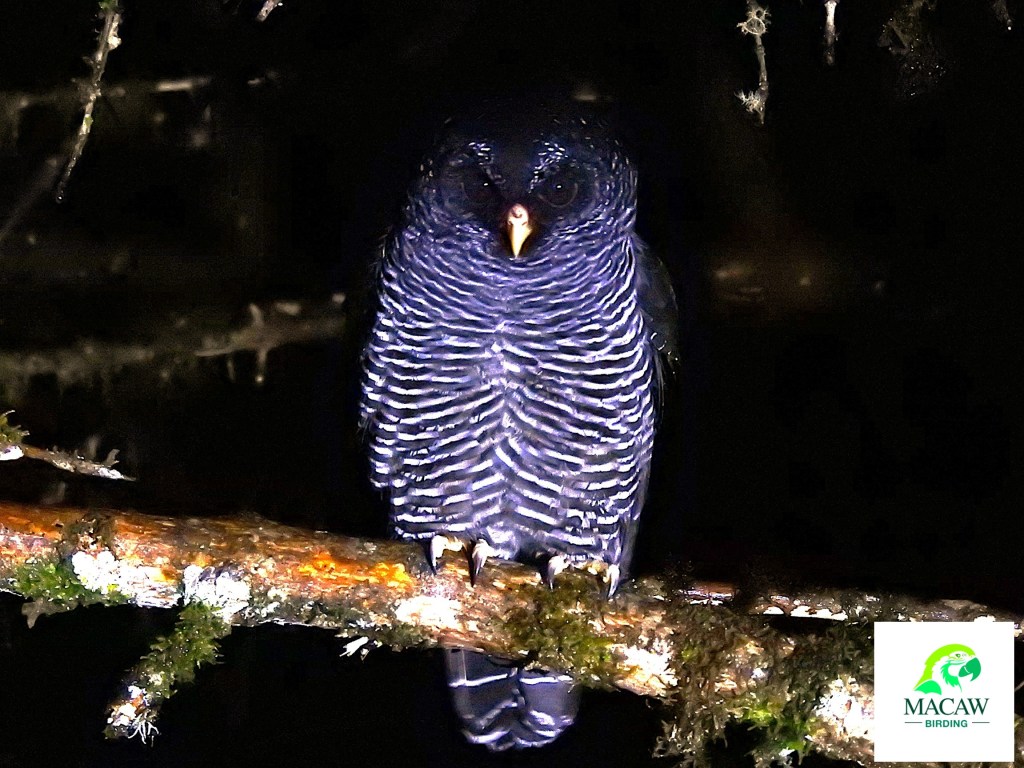
Black-banded (San Isidro) Owl © Juan Carlos Crespo
Early wake up and start birding in the main area of the lodge, we will focus to find some pretty and range- restricted species like Bronzy Inca, Violet-fronted Brilliant, Chestnut-breasted Coronet. Common Chlorospingus, Pale-edged Flycatcher, Olive-backed Woodcreeper. Large species like Masked Trogon, Scarlet-rumped Cacique, Russet-backed Oropendola, Rufous Motmot, Montane Woodcreeper, Golden-bellied Flycatcher, and much more.
After breakfast, we will see the White-bellied Antpitta, tanagers in mixed flocks like Blue-winged Mountain Tanager, Rufous-crowned Tody-Flycatcher, Spotted Barbtail, Saffron-crowned Tanager, Andean Guan, and many others. Later, we will go birding at other habitats like forest edge and secondary forest out of the reserve. We will look for some Bamboo specialists like Streak-headed Antbird, Striped Treehunter, and Plain-tailed Wren. Other interesting birds to see are Bluish Flowerpiercer, Sulphur-bellied Tyrannulet, Pale-eyed Thrush, Andean Solitaire, Black-capped, Beryl-spangled, Metallic-green, Flame-faced and Golden-naped Tanagers, etc.
Target birds: Saffron-crowned Tanager, White-bellied Antpitta, Andean Motmot, Masked Trogon, Blue-winged Mountain Tanager, Scarlet-rumped Cacique, Russet-backed Oropendola, Streak-headed Antbird, Striped Treehunter, and Plain-tailed Wren, etc.
In the afternoon we will go birding at the San Isidro vicinities in the Cosanga Valley. Here there are interesting natural habitats, agricultural and farming areas where local people created and opened new birdings spots. The species to look for at this differents habitats are Long-tailed Sylph, Gorgeted Woodstar, Greenish Puffleg, Peruvian Raquet-tail, Green-backed Hillstar, Chestnut-bellied Trush, Red-billed and Speckle-faced Parrot, Line-cheeked Spinetail, Coopman’s Elaenia, Green Jay, etc.
Target birds: Southern-emerald Toucanet, White-capped Tanager, Black-chested Fruiteater, Golden-headed and Crested Quetzal, Greenish Puffleg, Peruvian Raquet-tail, Gorgeted Woodstar. Red-billed Parrot, Speckle-faced Parrot, Streaked Xenops, etc.
Overnight San Isidro lodge
DAY FOUR: CORDILLERA GUACAMAYOS, WAYRA RESERVE & NARUPA-SUMACO ROAD

Greater Scythebill © Juan Carlos Crespo
Early breakfast and departure from San Isidro lodge to go further east to reach the subtropical montane forest. The first place to visit this morning will be the famous Cordillera Guacamayos (Guacamayos Ridge), a very wet cloud forest which was the main pathway that connected people from lowlands to highlands in the past. Here, we’ll focus on finding cloud forest birds like Greater Scythebill, Black-billed Mountain Toucan, Green-and-black Fruiteater, Handsome Flycatcher, Slate-crowned Antpitta, Blue-and-black Tanager, Long-tailed Tapaculo, Hooded Mountain Tanager, Strong-billed Woodcreeper, Andean Pygmy Owl, Grass-green Tanager, Lacrimose Mountain Tanager, Smoky Bush Tyrant, Rufous-breasted Flycatcher and many others.
Target birds: Greater Scythebill, Black-billed Mountain Toucan, Handsome Flycatcher, Slate-crowned Antpitta, Long-tailed Tapaculo, Andean Pygmy Owl, Grass-green Tanager, Lacrimose Mountain Tanager, Smoky Bush Tyrant, Rufous-breasted Flycatcher, etc.
After a quick exploration of Cordillera Guacamayos, we will be moving down in elevation to reach the foothills. Here, birding will focus on visiting private reserves like Huayra reserve. This reserve, owned by a local farmer, was restored from a cattle ranch into a secondary forest by planting many species of native and exotics flowers to attract hummingbirds, mainly. The hummingbirds to look for are Black-throated Mango, Glittering-throated Emerald, Blue-fronted Lancebill, Wire-crested Thornbill, Peruvian Raquet-tail, Sparkling Violetear, Spangled Coquette, etc. Other species to see here are Spotted Tanager, Blue Dacnis, Chestnut-eared Aracari, Magpie Tanager, Yellow-browed Sparrow, White-lined Tanager, Orange-billed Sparrow, Red-crested Finch and sometimes Rufous-breasted Wood-Quail, etc.
Target birds: Black-throated Mango, Wire-crested Thornbill, Spangled Coquette, Blue Dacnis, Chestnut-eared Aracari, Magpie Tanager, Orange-billed Sparrow, Red-crested Finch and Rufous-breasted Wood-Quail.
Then, we will keep moving down to reach the lower foothills on the way to Loreto Road and make some stops on the roadside to look for specific birds like Cliff Flycatcher, Deep-blue Flowerpiercer, Blackish Nightjar, Spot-breasted Woodpecker, Orange-eared Tanager, Yellow-throated Tanager, Silver-beak Tanager, Blue-necked Tanager, Bay-headed, Violaceous Jay and many others.
Target birds: Cliff Flycatcher, Deep-blue Flowerpiercer, Orange-eared Tanager, Blackish Nightjar, Yellow-throated Tanager, and many others.
Next stop will be at the main entrance to Wild Sumaco lodge, here we will birding most of the time at secondary forest borders and some farming land. We will focus to search for Speckled Chachalaca, Thrush-like Wren, Lined Antshrike, Lafresnaye’s Piculet, Crested Oropendola, Chestnut-bellied Seedeater, Black-billed Thrush, Coopery-chested Jacamar, Golden-collared Toucanet, Crimson-crested Woodpecker and many others.
Target birds: Speckled Chachalaca, Thrush-like Wren, Lined Antshrike, Lafresnaye’s Piculet, Golden-collared Toucanet, Crimson-crested Woodpecker, Chestnut-fronted Macaw, Olivaceous Greenlet, etc.
Overnight Wildsumaco lodge
DAY FIVE: WILD SUMACO RESERVE, SUMACO UPPER & LOWER VALLEY
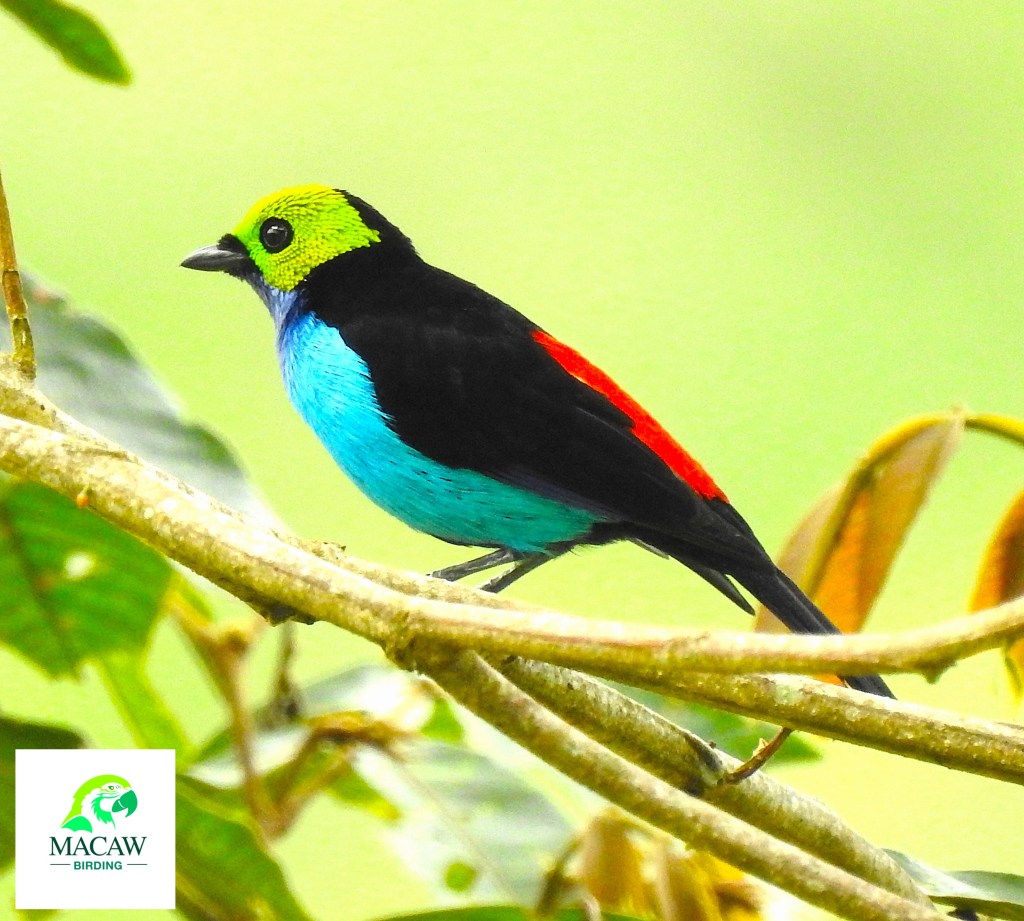
Paradise Tanager © Juan Carlos Crespo
Wildsumaco Reserve is a big private reserve situated in the eastern andean foothills almost at the bottom of the Guagua Sumaco Volcano. In this reserve more than 600 hundred species of birds have been registered due to a privileged geographical location in the foothills and close to the Amazon basin. Due the important altitudinal gradient of the reserve between the upper and lower valley, there exists an endless number of different microhabitats allowing us to have a mix of birds from lower foothills and Amazon lowlands.
This day will start very early watching birds around moth trap lights. We will search for Black-streak Puffbird, Black-faced Antbird, Western Fire-eye, Black-billed Treehunter, Blackish Antbird, Plain Antvireo, etc. Later, we will watch colourful hummingbirds that feed on flowers and at some feeders. Then we’ll focus to look for Napo Sabrewing, Ecuadorian Piedtail, Black-throated Brilliant, Gould’s Jewelfront and many others.
Later, we will go birding to specific spots to see antpittas like Plain-backed and Ochre-breasted Antpitta and then we will go birding at open habitats like forest borders because it is a better place to watch birds like tanagers, flycatchers, toucans, parrots, oropendolas and macaws.
Target birds: Coppery-chested Jacamar, Black-streak Puffbird, Black-faced Antbird, Western Fire-eye, Black-billed Treehunter, Blackish Antbird, Napo Sabrewing, Ecuadorian Piedtail, Black-throated Brilliant, Gould’s Jewelfront, Green-backed Trogon, Plain-backed Antpitta. White-eyed Parakeet, Chestnut-fronted Macaw, Yellow-throated Toucan, etc.
In the afternoon, we will keep birding outside of the lodge focusing to find some canopy and understory mixed flocks like Paradise Tanager, Spotted Tanager, Yellow-bellied Tanager, Magpie Tanager, Chestnut-eared Aracari, Golden-collared Toucanet, Understory birds like Blue-rumped Manakin, White-crowned Tapaculo, Wing-banded Wren, Fiery-throated Fruiteater and many others.
At night we’ll go owling outside of the lodge and we’re going to move to different owl spots around the lodge where we’ll look for Tropical Screech-Owl, Foothill Screech-Owl, Rufescent-Screech Owl and Band-bellied Owl.
Target birds: Paradise Tanager, Spotted Tanager, Yellow-bellied Tanager, White-throated Toucan, Yellow-tufted Woodpecker, Rusty-winged Antwren, Yellow-breasted Antwren, Wing-banded Wren, Fiery-throated Fruiteater, Tropical and Foothill Screech-Owl, Mottled Owl and Band-bellied Owl.
Overnight Wildsumaco lodge
DAY SIX: WILDSUMACO LODGE, TENA & MISAHUALLY LOWLANDS
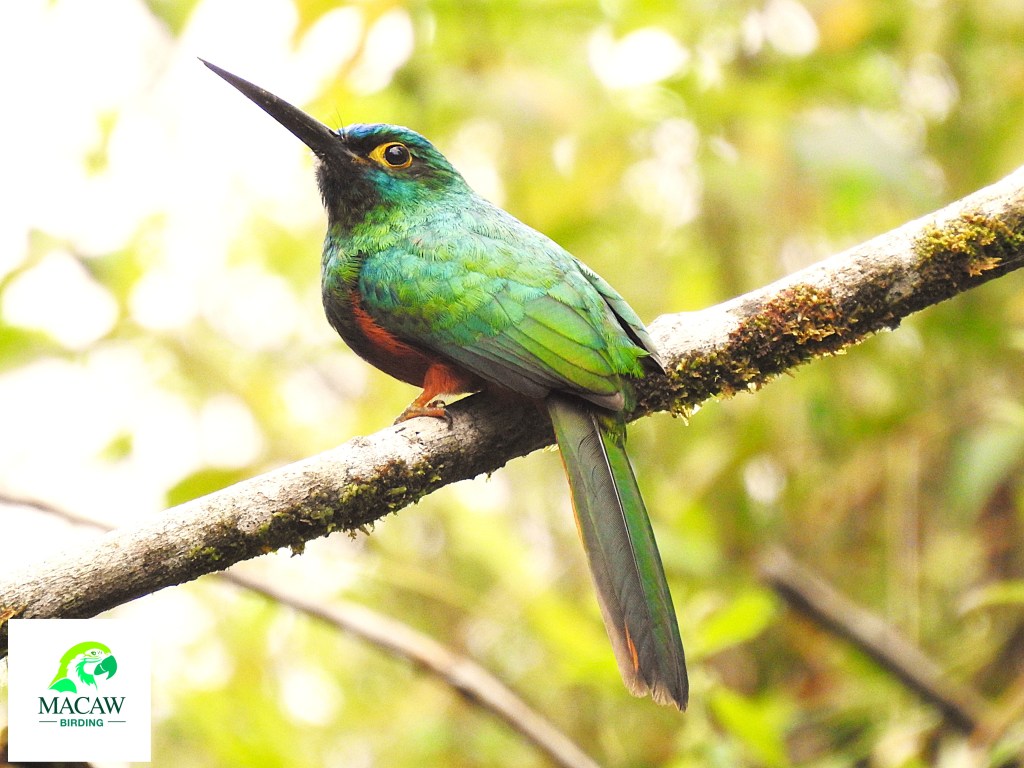
Coppery-chested Jacamar © Juan Carlos Crespo
In this second morning will go to different bird spots and habitats. We’ll birding at open areas, forested areas and small marshes. We’ll focus on Green-and-gold Tanager, Many-banded Aracari, Golden-faced Tyrannulet, Chestnut-bellied Seed-Finch, Chestnut-bellied Seedeater, Silver-beaked Tanager, Bluish-gray Saltator, Montane Foliage-gleaner, Purple Honeycreeper, Bay-headed Tanager, etc.
Target birds: White-tipped Sicklebill, Chestnut-crowned Gnateater, Olive-faced Flatbill, White-crowned Manakin, Gilded and Red-headed Barbet, Collared and Blue-crowned Trogon, Black-faced Dacnis, Olive-chested Flycatcher, Blackish Rail, etc.
After lunch, we’ll leave the lodge and will move to Misahuallí lowlands and vecinities where we will search for Mouse-colored Tyrannulet, Mottle-backed Flycatcher, Cattle Tyrant, Great Kiskadee, White-winged and White-banded Swallow, Yellow-rumped Cacique, Ruddy-ground Dove, Cobalt-winged Parakeet, Lettered Aracari, and many others.
Later, we’ll move to Tena Airport and vicinities where we’ll look for specific spots with very interesting habitas like open grazzy and agricultural areas and secondary forest. Once we arrive at the first spot we’ll try to find Whistling Heron, Caqueta (Wing-barred) Seedeater, Horned Screamer, Black-capped Donacobius, etc.
Target birds: Horned Screamer, Black-capped Donacobius, White-eared Jacamar, Whistling Heron, Limpkin, Mouse-colored Tyrannulet, Mottle-backed Elaenia, Cattle Tyrant, Caqueta (Wing-barred) Seedeater, Snail Kite, White-eyed and Dusky-headed Parakeet, Black-fronted Nunbird, Yellow-headed and Black Caracara, Scaled Dove, Red-bellied Macaw, etc.
Overnight Misahualli
DAY SEVEN: TENA-PUERTO MISAHUALLY LOWLANDS & VICINITIES

Hoatzin © Juan Carlos Crespo
This morning our day will start by visiting a nice lagoon surrounded by an impressive forest island and it is a great spot to see many interesting birds. We will take a ride on a paddling canoe operated by a local guide to enjoy the tranquil landscape and easy sighting of many birds in the open sky. One of the birds to see has a dinosaur appereance and it is the mythical Hoatzin that keeps a prehistoric morphology, and it is completely adapted to live in marshes with dense forest. Hoatzin is a unique bird that eats only plants. Then other birds to look for in this area are the Greater Ani, Striated Heron, Black-fronted Nunbird, Boat-billed Flycatcher, Great Kiskadee, Ringed Kingfisher, Yellow-tufted Woodpecker and others.
Later in the morning, we will visit a second private reserve in Misahualli near Napo River where there is another wetland with a very interesting forest surrounded by water as well. So, we’ll look for birds associated to these different habitats like Purple Gallinule, Scarlet-crowned and Lemon-throated Barbet, Red-capped Cardinal, Masked Crimson Tanager, Yellow-bellied Dacnis, Turquoise Tanager, Black tailed and Masked Tityra, Cream-colored Woodpecker, and many others.
Target birds: Hoatzin, Sungrebe, Rufescent Tiger-Heron, Amazon Kingfisher, Chestnut Woodpecker, Anhinga, Point-tailed Palmcreeper, Scarlet-crowned and Lemon-throated Barbet, Red-capped Cardinal, Masked Crimson Tanager, Yellow-bellied Dacnis, Turquoise Tanager, Black-throated Hermit, Ecuadorian Cacique, Orange-backed Troupial, Solitary Black Cacique, Short-billed Honeycreeper, etc.
Early afternoon we will visit some Napo River shorelines where we’ll search for a pretty canopy bird that likes to perch at treetops, the Swallow-winged Puffbird, then we’ll look for Drab Water Tyrant, Crested and Russet-backed Oropendola, Violaceous Jay, Amazonian Kingfisher, Many-banded Aracari, Social Flycatcher, etc.
Target birds: Swallow-winged Puffbird, Drab Water Tyrant, White-winged Swallow, Neotropic Cormorant, Greater Yellow-headed Vulture and others.
Overnight Misahualli
DAY EIGHT: ARCHIDONA LOWLANDS & RETURN TO QUITO

Dusky-headed Parakeet © Juan Carlos Crespo
We start the day by visiting a nice place, Aguayacu Birding Reserve that is located in the lowlands of Archidona, a small city next to Tena. This private reserve is owned by a local farmer who started feeding very special understory birds that are hard to see due to their great camouflage and living in dark and thick understory. We’ll focus on White-lored Antpitta, Black-faced Antthrush, Thrush-like Antpitta and Uniform Crake. Other birds we’ll look for in the reserve are Uniform Crake, Black-banded and Cinnamon-throated Woodcreeper, Rufous-breasted Hermit, Buff-tailed Sicklebill, Lemon-throated Barbet and many others.
Target birds: White-lored Antpitta, Black-faced Antthrush, Thrush-like Antpitta, Uniform Crake, Black-banded and Cinnamon-throated Woodcreeper, Rufous-breasted Hermit, Buff-tailed Sicklebill, Lemon-throated Barbet, etc.
After birding in this special spot, we will start going back to Quito and we’ll have a nice farewall lunch at Guango Lodge and will spend time birding in the main area of the lodge. Then we’ll be ready to departure back to Quito. Once we arrive in Quito, we’ll drop you off at your hotel or airport.
End of services and see you in another great new adventure!!!!!!!.
IMPORTANT TOUR ISSUES
DOCUMENTS YOU WILL BE REQUIRED BEFORE STARTING TOUR
*You will need a current passport valid for at least six months before the expiration date.
SIZE OF THE GROUP
Two to Eight people
ACCOMMODATION
Regular to comfortable
INCLUSIONS
*All meals, starting with box breakfast on day one and finishing with lunch on day eight.
*All lodgings during the tour.
* Private local guide and private transport.
*All entrances fees to private reserves and National Parks.
* Drinking water during the whole trip. We highly recommend bringing your own bottle to avoid generating plastic garbage.
*Pick-up and drop off at your hotel or Airport
EXCLUSIONS
*International and domestic flights are not included.
*Visa fees
*Drinks
*Items for personal use
*Phone calls, laundry services, etc.
*Tips for guides, drivers, lodging staff, etc. are not included
HEALTH
Required good health conditions because we’re going to spend many hours on foot walking on dirt roads. We may have hot temperatures in the lowlands and very cold temperatures in the highlands.
BOOKING MODIFICATIONS
Requests for modifications to your reservation, such as date changes or participant adjustments, are subject to availability and may incur additional fees. We will do our best to accommodate your request.
FORCE MAJEURE
In the event of unforeseen circumstances or force majeure events (e.g., natural disasters, government actions, pandemics, etc.) that prevent you from participating, we may offer rescheduling options or travel credits for future use.
TRAVEL INSURANCE
We highly recommend purchasing travel insurance to protect your investment in case of unexpected cancellations due to personal emergencies, health issues, or other unforeseen events.
If you have any questions or need further assistance about this tour, please don’t hesitate to contact us.
Thank you very much for choosing Macaw Birding, and we look forward to providing you with exceptional experience!!!!!.
Contact
Juan Carlos Crespo
Mobile: (+ 593) 985800580
Email: juancarloscrespo@macawbirding.com
Quito, Ecuador

 macawbirding.com