eBird
FAQs
ECUADOR
14-Day Birding Odyssey: The Ultimate Tumbes, Chocó & Amazon Foothills Hotspot
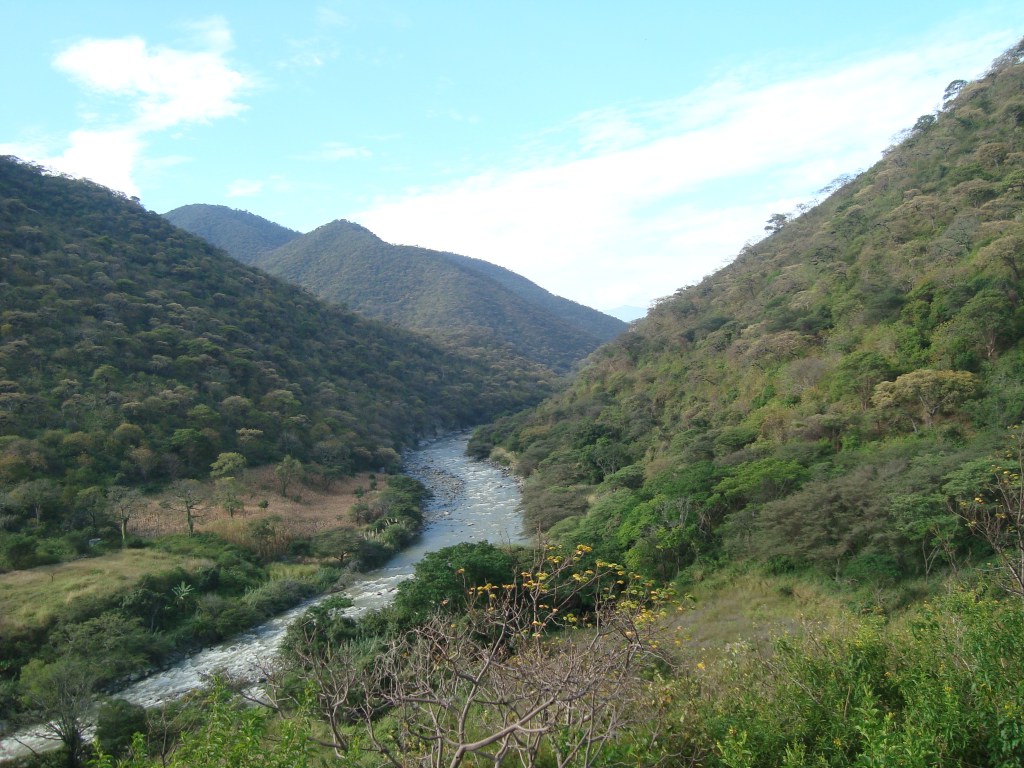
Tumbesian dry forest, Loja-Ecuador © Juan Carlos Crespo
Tour Overview
Immerse yourself in one of the planet’s richest and most dynamic ornithological frontiers. Southern Ecuador is a magical confluence where the humid Choco rainforests, the arid Tumbesian dry forests, the high-altitude Andean Paramo, and the lush Amazonian foothills collide. This expedition targets the world’s highest concentration of small-range endemics and rare regional specialties, navigating a mosaic of microclimates that boast jaw-dropping avian diversity.
Designed for passionate birders, conservation-minded travelers, and wildlife photographers alike, this journey unlocks world-class private reserves, and remote cloud forests found nowhere else on Earth.
Why Book This Tour?
Southern Ecuador is one of the world’s premier birding destinations, offering a stunning transition zone where the Andes meet the Amazon basin and the dry Tumbesian region. This unique topography creates an extraordinary concentration of endemic, rare, and localized species.
Unrivaled Endemism: Access multiple Endemic Bird Areas (EBAs) in a single journey, maximizing your lifetime checklist with localized birds found only across southern Ecuador and northern Peru.
Direct Conservation Impact: Stays are anchored around foundational reserves established to protect acute biodiversity hotspots, directly funding local habitat preservation.
Bird photography: Whether you are aiming your lens at the iconic Long-wattled Umbrellabird, tracking down the legendary Jocotoco Antpitta, framing the brilliant flash of a Spangled Coquette, or marveling at the newly discovered Blue-throated Hillstar, Southern Ecuador provides world-class access through dedicated conservation reserves. Prepare for breathtaking landscapes, intimate encounters with brilliant hummingbirds and tanagers, and an unforgettable portfolio-building adventure at the heart of the equatorial Andes.
DAY 1: GUAYAQUIL ARRIVAL-MANGLARES CHURUTE WETLANDS & JOCOTOCO RESERVE
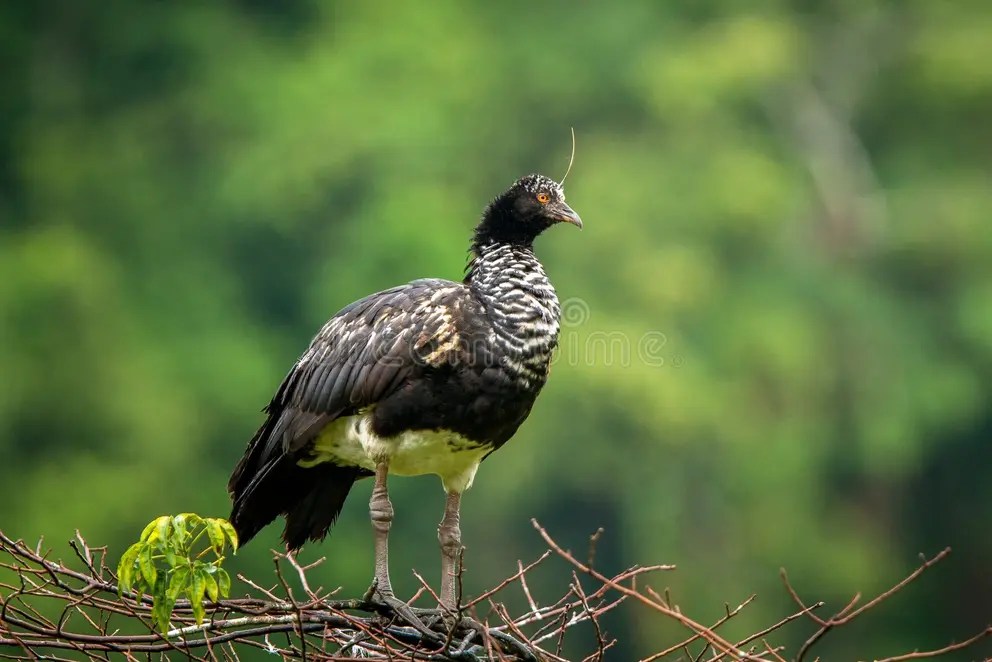
Horned Screamer © Jiri Hrebicek
Arrive at the José Joaquín de Olmedo International Airport in Guayaquil, where your guide will meet you for a seamless departure. We will drive directly toward our first Jocotoco Foundation reserve: Buenaventura. En route, we will make targeted roadside stops and explore the wetlands around Manglares Churute Ecological Reserve. Here, we will search for iconic species such as the Ecuadorian Ground-Dove, Pacific Parrotlet, Pacific Hornero, Horned Screamer, Anhinga, Roseate Spoonbill, Tricolored Heron, Cocoi Heron, Black-bellied Whistling-Duck, Wattled Jacana, and many more.
Following a delicious local lunch, we will visit an active lek of the magnificent and highly sought-after Long-wattled Umbrellabird. At night, we will head out on a guided night walk to look for the elusive Black-and-white Owl.
Target birds: Horned Screamer, Anhinga, Roseate Spoonbill, Pacific Hornero, Pacific Parrotlet, Long-wattled Umbrellabird, Song Wren, Black-and-white Owl.
Meals & Lodging: All meals included. Overnight at Buenaventura Reserve.
DAY 2: CLOUD FOREST WONDERS AT BUENAVENTURA: TRACKING THE EL ORO PARAKEET
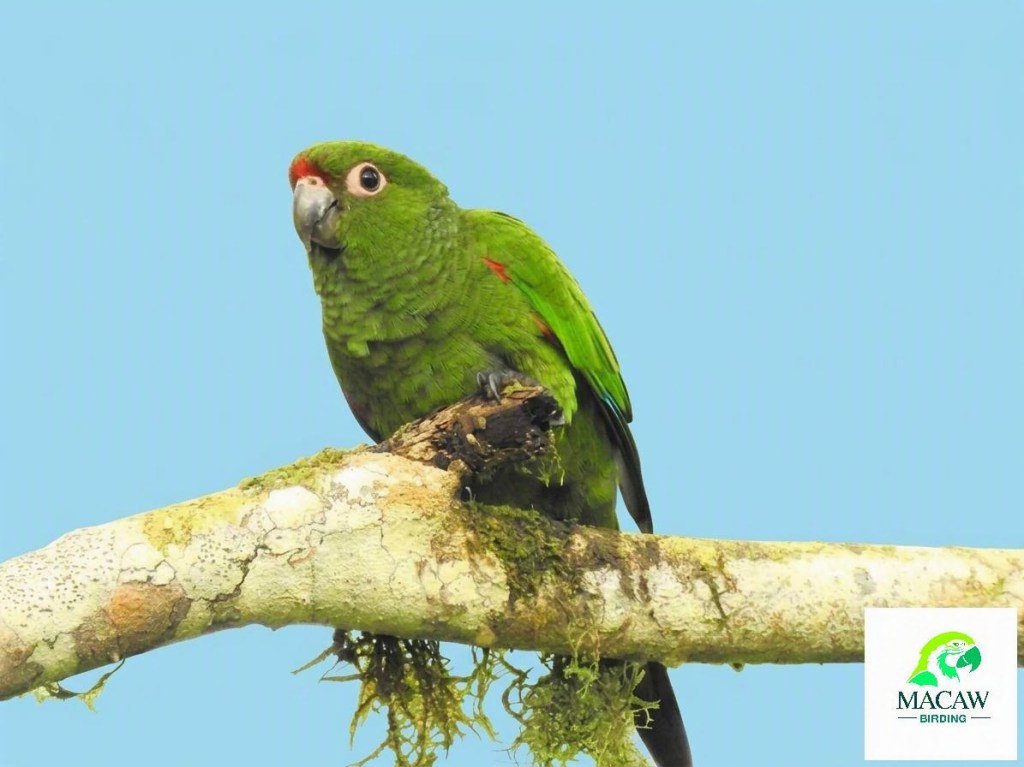
El Oro Parakeet © Juan Carlos Crespo
We depart early for the upper section of the reserve to focus on rare and endangered endemics. Our primary target is the El Oro Parakeet; these beautiful birds usually fly in small flocks and prefer perching atop bare branches in the montane forest canopy. Other species nearby include the Line-cheeked Spinetail, Zeledon’s Antbird, Red-masked Parakeet, and Club-winged Manakin. Later, we will search the thick understory for the skulking, dark-colored Ecuadorian Tapaculo. We may also spot the Crested Caracara, Golden-headed Quetzal, Peruvian Tyrannulet, Whiskered Wren, Masked Trogon, and Collared Trogon, Chocó and Yellow-throated Toucan, etc.
In the afternoon, we will explore the lower reserve, which features secondary forest and farmland. Here, we will look for the Guayaquil Woodpecker, Crimson-breasted Finch, Gartered Trogon, Long-billed Hermit, Speckle-breasted Wren, Olive-crowned Yellowthroat, Blue-black Grosbeak, Thick-billed Seed-Finch and many others.
Target birds: El Oro Parakeet, Ecuadorian Tapaculo, Guayaquil Woodpecker, Red-rumped Woodpecker, Peruvian Tyrannulet, Crimson-breasted Finch, Gartered Trogon, Long-billed Hermit.
Meals & Lodging: All meals included. Overnight at Buenaventura Reserve.
DAY 3: CERRO DE ARCOS: BLUE-THROATED HILLSTAR REFUGE
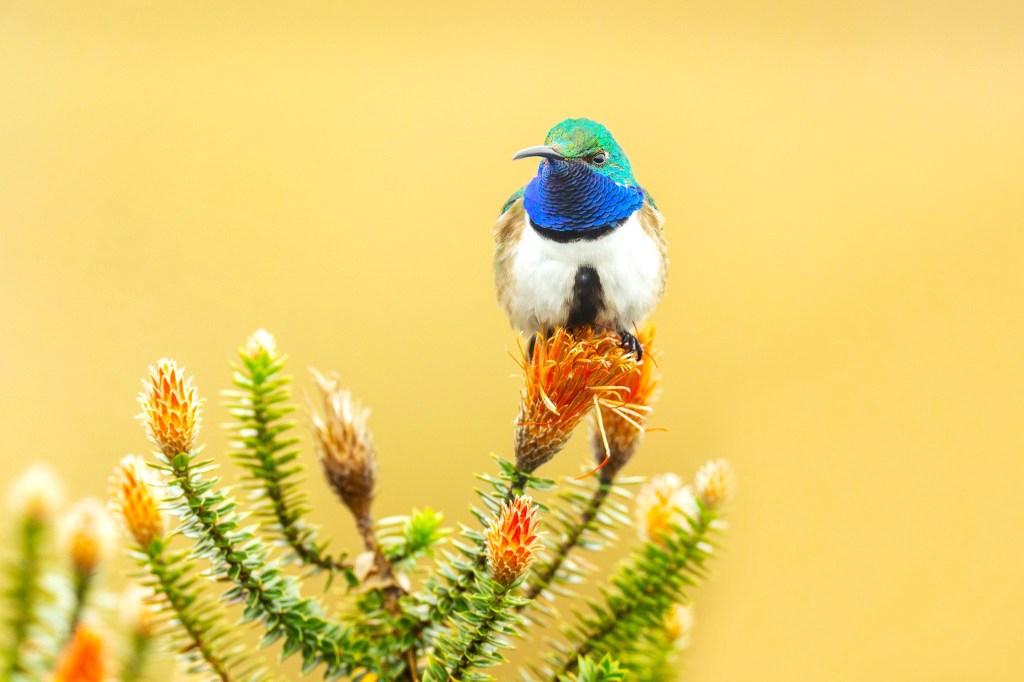
Blue-throated Hillstar © David Pavlik
An early departure brings us to the páramo grassland habitat, home to one of Ecuador’s most striking and recently discovered hummingbirds: the Blue-throated Hillstar. On the drive up to this Jocotoco reserve at Cerro de Arcos, we will make short stops along the dirt road to look for Rufous-crowned Tody-Flycatcher, Chestnut-bellied Chat-Tyrant, and Line-cheeked Spinetail. Once we arrive at the páramo, a short walk will bring us to the prime habitat for the Blue-throated Hillstar, alongside species like the Shining Sunbeam, Many-striped Canastero, Black-billed Shrike-Tyrant, etc.
On the way back from the Páramo of Cerro de Arcos to Buenaventura reserve, we’ll make short stops along the dirt road to look for Streak-backed Canastero, Red-crested Cotinga, Spectacled Redstart, White-crested Elaenia, Silvery Tanager, Three-banded Warbler, Ecuadorian Piculet, Gray-backed Hawk and others.
Target birds: Blue-throated Hillstar, Black-billed Shrike-Tyrant, Red-rumped Bush-Tyrant, Streak-backed Canastero, Red-crested Cotinga, White-crested Elaenia, Rufous-crowned Tody-Flycatcher, Chestnut-bellied Chat-Tyrant, Line-cheeked Spinetail, Silvery Tanager, Three-banded Warbler, Ecuadorian Piculet, Pacific Hornero, and many others.
Meals & Lodging: All meals included. Overnight at Buenaventura Reserve.
DAY 4: TUMBESIAN HOTSPOTS: JORUPE RESERVE
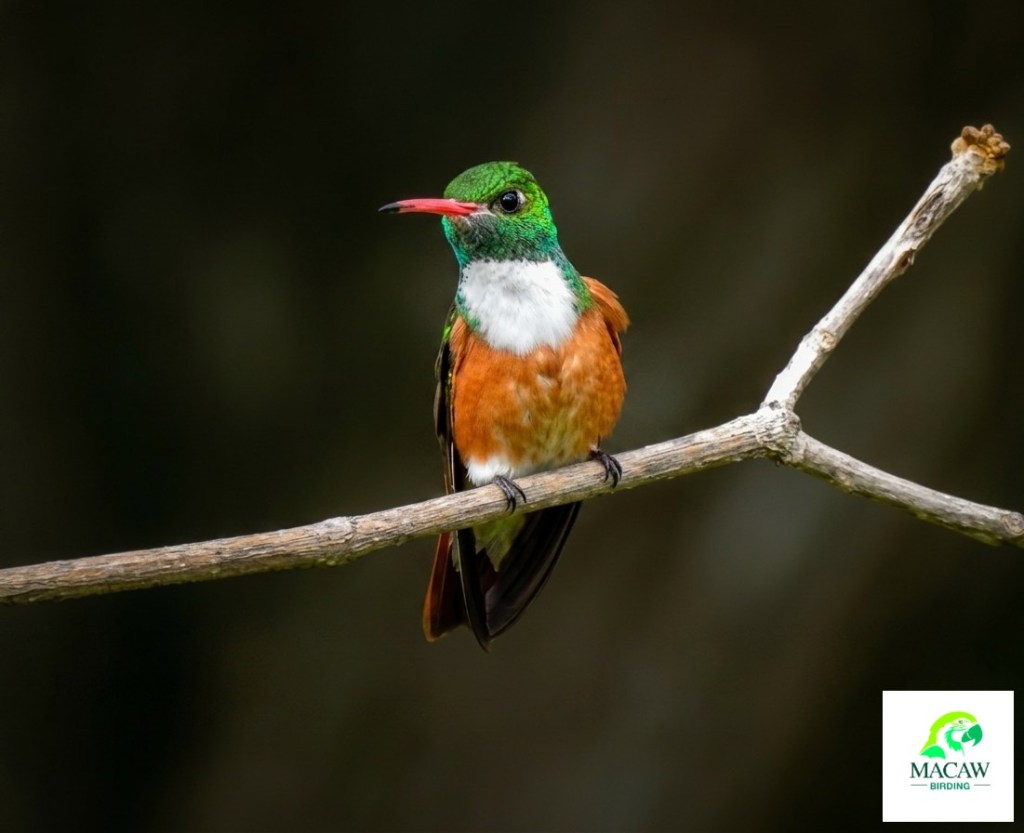
Amazilia Hummingbird © Juan Carlos Crespo
Depart early and travel toward the Macará region, heading to the renowned Jorupe Reserve, a premier destination for endemic Tumbesian endemics. En route, we will make strategic birding stops along the roadside scrub and dry forests to target key specialties such as the White-headed Brush-Finch, Tumbes Sparrow, Tumbes Hummingbird, Amazilia Hummingbird, Superciliated Wren, and Pacific Elaenia, among others.
Upon arriving near Macará, we will visit local agricultural areas and rice fields to search for wetland and open-country species, including Comb Duck, Savanna Hawk, Long-tailed Mockingbird, and Ecuadorian Ground-Dove. Afterward, we will continue onward to the Jorupe Reserve, spending the afternoon birding along the lush entrance road leading to the main lodge area, keeping an eye out for the White-tailed Jay and Pale-browed Tinamou.
After dinner, we will head out for a night excursion around the reserve trails to look for nocturnal species such as the Peruvian Pygmy-Owl, Peruvian Screech-Owl, and Buff-fronted Owl.
Target birds: White-headed Brush-Finch, Tumbes Sparrow, Tumbes Hummingbird, Amazilia Hummingbird, Superciliated Wren, Pacific Elaenia, Comb Duck, Savanna Hawk, White-tailed Jay, Pale-browed Tinamou, Peruvian Pygmy-Owl, Peruvian Screech-Owl, and Buff-fronted Owl.
Meals & Lodging: All meals included. Overnight at Urraca Lodge.
DAY 5: TUMBESIAN ENDEMICS: JORUPE RESERVE
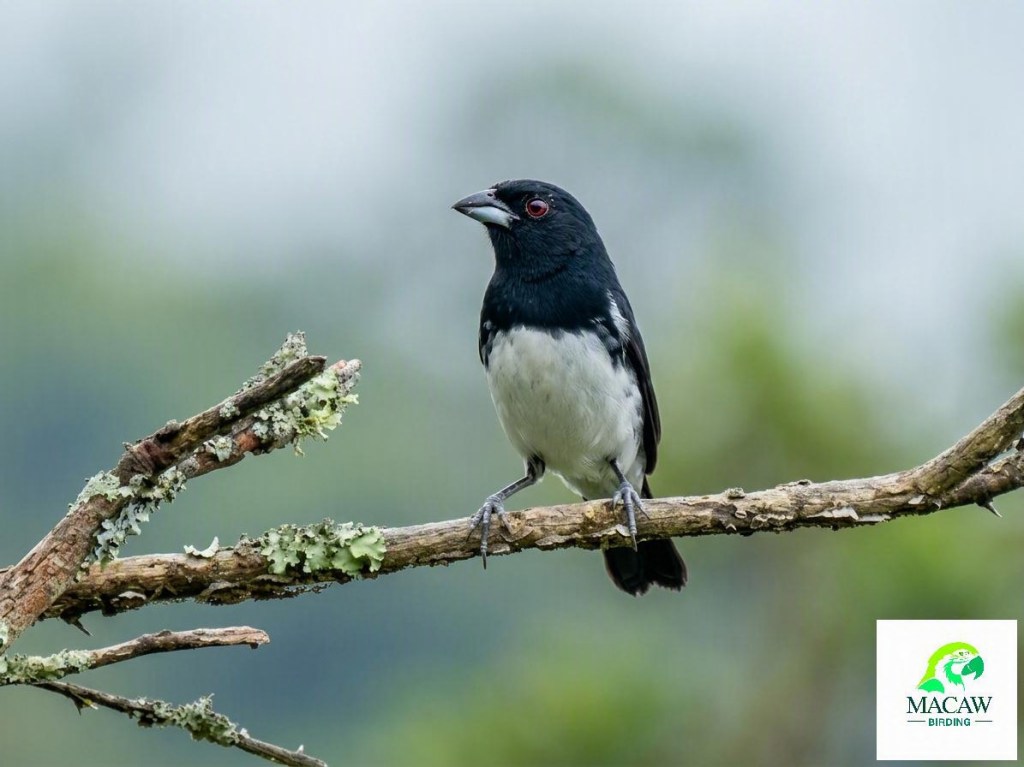
Black-and-white Tanager © Juan Carlos Crespo
Early departure to bird at Corrales general area, this interesting spot is located at higher elevation where there is a very good dry forest. Once at the spot we’ll focus on Gray-cheeked Parakeet, Henna-hooded Foliage Gleaner, Rufous-necked Foliage-Gleaner, Black-capped Sparrow, Collared Antshrike, Tumbes Pewee, Scarlet-backed Woodpecker, Baird’s Flycatcher, Speckle-breasted Wren and many others.
Later we’ll visit the upper part of the Corrales general area. Here the forest has more disturbances because there are lots of farms, but it is still very interesting for birding. The species to look for are Elegant Crescentchest, Yellow-billed Cacique, Chapman’s Antshrike, Blackish-headed Spinetail, Fulvous-faced Scrub-Tyrant, Black-and-white Tanager and many others.
In the afternoon we’ll visit other interesting spots at the reserve and look for Watkins’s Antpitta, Slaty Becard, Whooping Motmot, Gray-breasted Flycatcher, Red-masked Parakeet, Plumbeous-backed Trush, Gray and gold Warbler, Tumbesian Tyrannulet, etc.
Target birds: Henna-hooded Foliage-Gleaner, Rufous-necked Foliage-Gleaner, Chapman’s Antshrike, Ecuadorian Piculet, Elegant Crescentchest, Blackish-headed Spinetail, Watkins’s Antpitta, Fulvous-faced Scrub-Tyrant, Black-and-white Tanager, Black-capped Sparrow, Gray-breasted Flycatcher, Tumbesian Tyrannulet, etc.
Meals & Lodging: All meals included. Overnight at Urraca Lodge.
DAY 6: TUMBESIAN ENDEMICS: UTUANA RESERVE
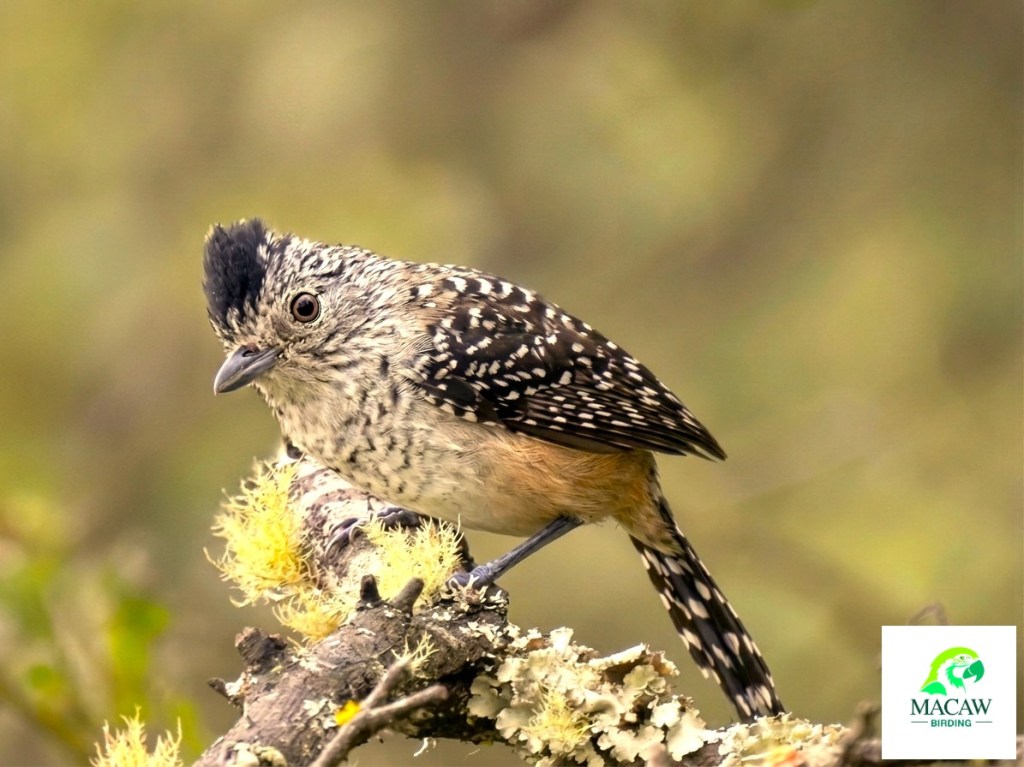
Chapman’s Antshrike © Juan Carlos Crespo
Utuana reserve is a small remanent of humid mountain forest in the Tumbes region with other interesting and endemics species. On the way to Utuana, we’ll look for Chestnut-collared Swallow that usually nest under houses shelters. From here we’ll move on to the main road and head up to Utuana reserve. Once we arrive at the reserve, we’ll focus on searching for Piura Hemispingus, Rufous-necked Foliage-Gleaner, Black-cowled Saltator, Gray-headed Antbird, Jelski’s Chat Tyrant, Silvery Tanager, Rainbow Starfrontlet, Purple-throated Sunangel, and many others.
Afterward, we’ll drive toward Catamayo Valley. We will look for the Parrot-billed Seedeater, Drab Seedeater, Andean Tinamou, Tumbes Sparrow, Band-tailed Sierra-Finch, Short-tailed Field Tyrant and others before arriving at Tapichalaca Reserve.
Target birds: Chestnut-collared Swallow, Bay-crowned Brushfinch, Rainbow Starfrontlet, Purple-throated Sunangel, Piura Hemispingus, Black-cowled Saltator, Gray-headed Antbird, Jelski’s Chat Tyrant, Parrot-billed Seedeater, Drab Seedeater, Andean Tinamou, Tumbes Sparrow, Bund-tailed Sierra-Finch, Short-tailed Field Tyrant, etc.
Meals & Lodging: All meals included. Overnight at Casa Simpson.
DAY 7: SEARCHING FOR THE MYTHICAL JOCOTOCO ANTPITTA
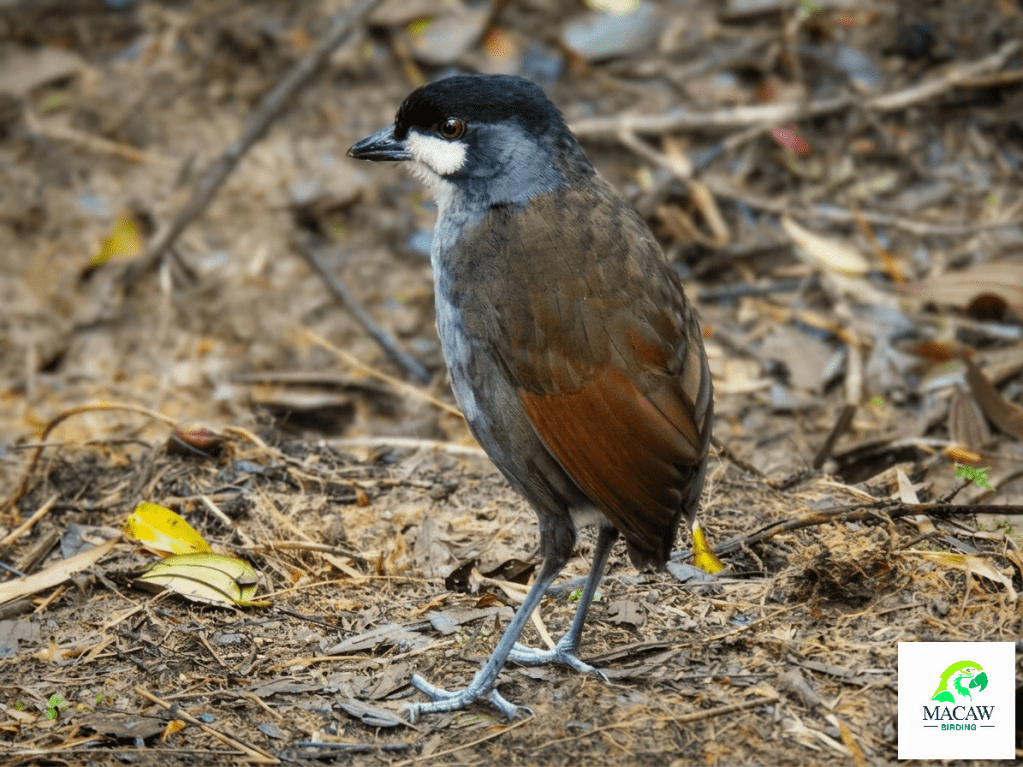
Jocotoco Antpitta © Juan Carlos Crespo
We will start the day right at the lodge with stunning views of the Bearded Guan, Chestnut-breasted Coronet, Collared Inca, Amethyst-throated Sunangel, and Little Sunangel. Later, we will head into the damp, mossy cloud forest for a guided encounter with the rare, near-endemic Jocotoco Antpitta.
Next, we will explore the high-altitude trails to track down the Gray-breasted Mountain Toucan, Golden-plumed Parakeet, Barred Fruiteater, Plain-tailed Wren, Black-capped Hemispingus, Hooded Mountain Tanager, and both the White-banded and White-throated Tyrannulets. As we scan active mixed-species feeding flocks, we will keep an eye out for the Pink-billed Cnemoscopus, Lacrimose Mountain-Tanager, Citrine Warbler, Blue-and-black Tanager, and Pearled Treerunner. Walking the perimeter road will reveal vibrant cloud forest gems, including the Golden-crowned Tanager, White-capped Tanager, Orange-banded Flycatcher, and Grass-green Tanager.
Following a midday lunch break, we will descend into the lower, drier zones shaped by the Marañón drainage. Here, we will search for localized specialties and distinct regional endemics, including the Chestnut-crested Cotinga, Inca (Green) Jay, Torrent Duck, Marañón Thrush, Marañón Spinetail, Red-fronted Thornbird, Ash-browed Spinetail, Black-faced Tanager, Purple-throated Euphonia, and many others.
Target birds: Jocotoco Antpitta, Bearded Guan, Gray-breasted Mountain Toucan, Golden-plumed Parakeet, Pink-billed Cnemoscopus, Lacrimose Mountain-Tanager, Citrine Warbler, Amethyst-throated and Little Sunangel, Golden-plumed Parakeet, Chestnut-crested Cotinga, Marañón Spinetail, Marañón Thrush, Red-fronted Thornbird, Ash-browed Spinetail, Golden-faced Tyrannulet, etc.
Meals & Lodging: All meals included. Overnight at Casa Simpson
DAY 8: THE HIGHLANDS SEARCHING FOR SPECIALTIES: CERRO TOLEDO
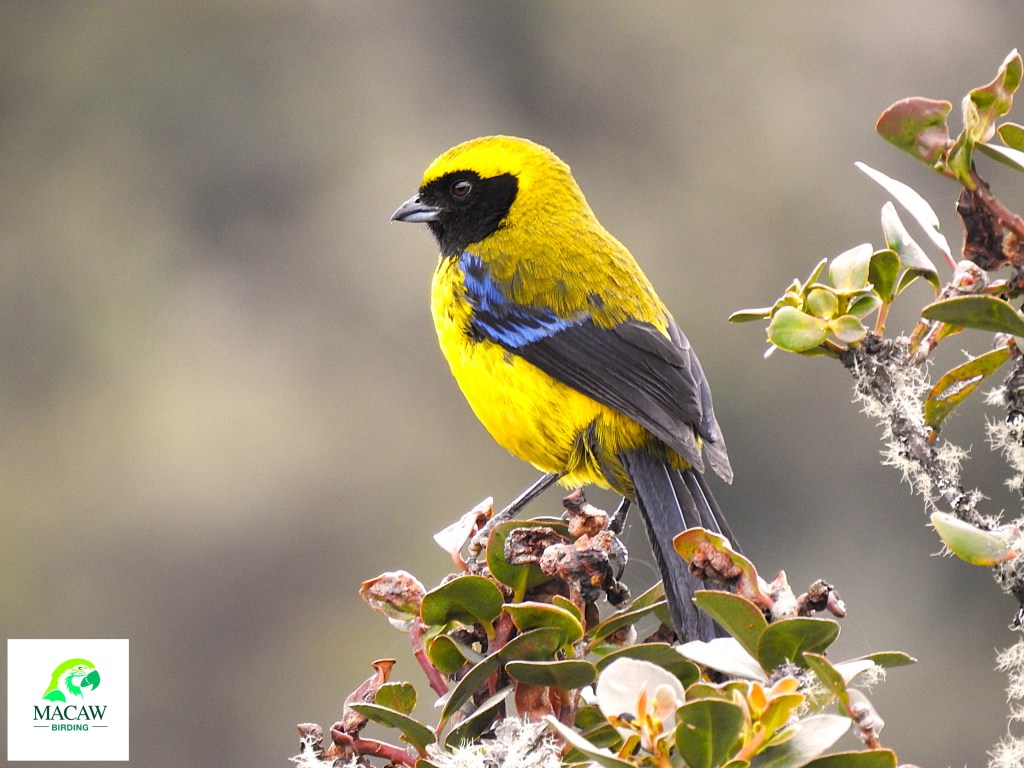
Masked Mountain Tanager © Juan Carlos Crespo
We depart early from Tapichalaca toward Cerro Toledo, located in the high-altitude sector of Podocarpus National Park. This site is renowned for its incredible variety of eastern Andean slope specialties.
Driving up the mountain dirt road, we will target species such as the Red-faced Parrot, Neblina Metaltail, Masked Mountain Tanager, Loja and Chusquea Tapaculos, Rufous-capped Thornbill, Rainbow Starfrontlet, Southern Emerald-Toucanet, and Chiguanco Thrush.
After a full day of birding, we will return to the Tapichalaca Reserve. On the way, we will make targeted stops along the main highway particularly in the high-altitude zones to search for the Glowing Puffleg, White-capped Tanager, Grass-green Tanager, Pink-billed Cnemoscopus, and other highland birds.
Target birds: Red-faced Parrot, Neblina Metaltail, Rufous-capped Thornbill, Rainbow Starfrontlet, Masked Mountain Tanager, Chusquea Tapaculo, Rufous-capped Thornbill, Rainbow Starfrontlet, Southern Emerald-Toucanet, Chiguanco Thrush, Glowing Puffleg, White-capped Tanager, Grass-green Tanager, Pink-billed Cnemoscopus, etc.
Meals & Lodging: All meals included. Overnight at Casa Simpson.
DAY 9: SOUTHEAST SECRETS: BIRDING JOURNEY IN COPALINGA GENERAL AREA
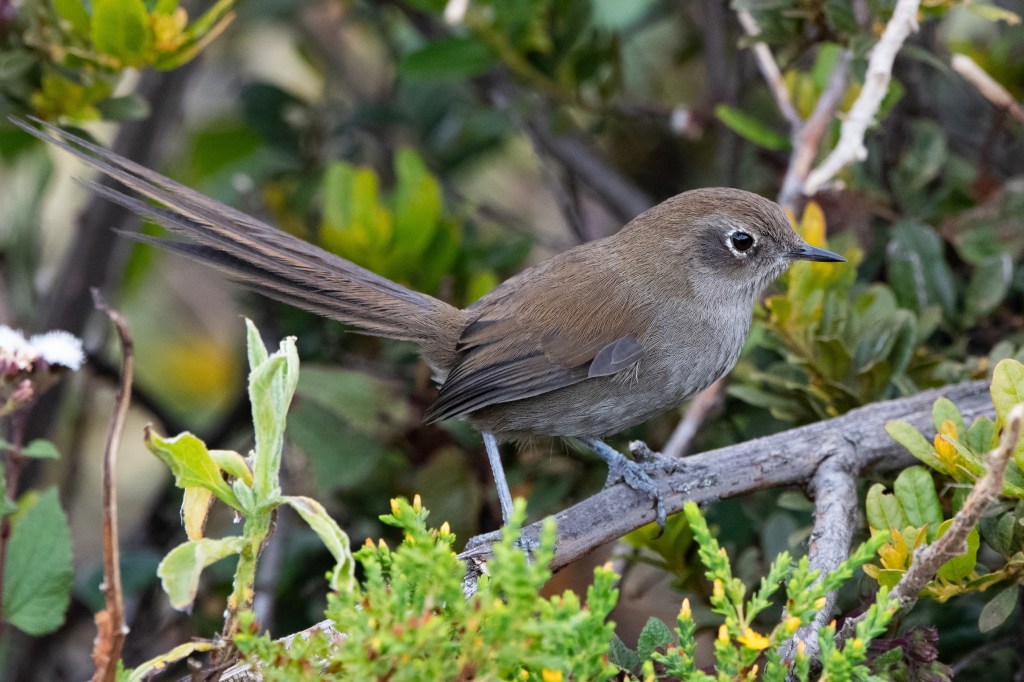
Mouse-colored Thistletail © Paul Molina
Early in the morning, we will travel toward Loja to explore the humid high-elevation pass along the old Zamora Road in search of the Loja Tapaculo and the Mouse-colored Thistletail. From this pass, we will descend into the lush subtropical foothills to reach Copalinga Lodge, just outside the city of Zamora. After checking in and enjoying a delicious lunch, we will bird the main lodge trails for the White-crowned Tapaculo and Gray Tinamou. Around the gardens and feeders, we will look for the Many-spotted Hummingbird, Violet-fronted Brilliant, Green Hermit, Red-crested Finch, Golden-eared Tanager, and Black-crested Oropendola.
Target birds: Loja Tapaculo, Mouse-colored Thistletail, White-crowned Tapaculo, Gray Tinamou, Gray-chinned Hermit, Lafresnaye’s Piculet, Flame-crested Tanager, Ecuadorian Tyrannulet, Lanceolated Monklet, Chestnut-tipped Toucanet.
Meals & Lodging: All meals included. Overnight at Copalinga Lodge.
DAY 10: SOUTHEAST SECRETS: BIRDING JOURNEY IN COPALINGA RESERVE & VECINITIES
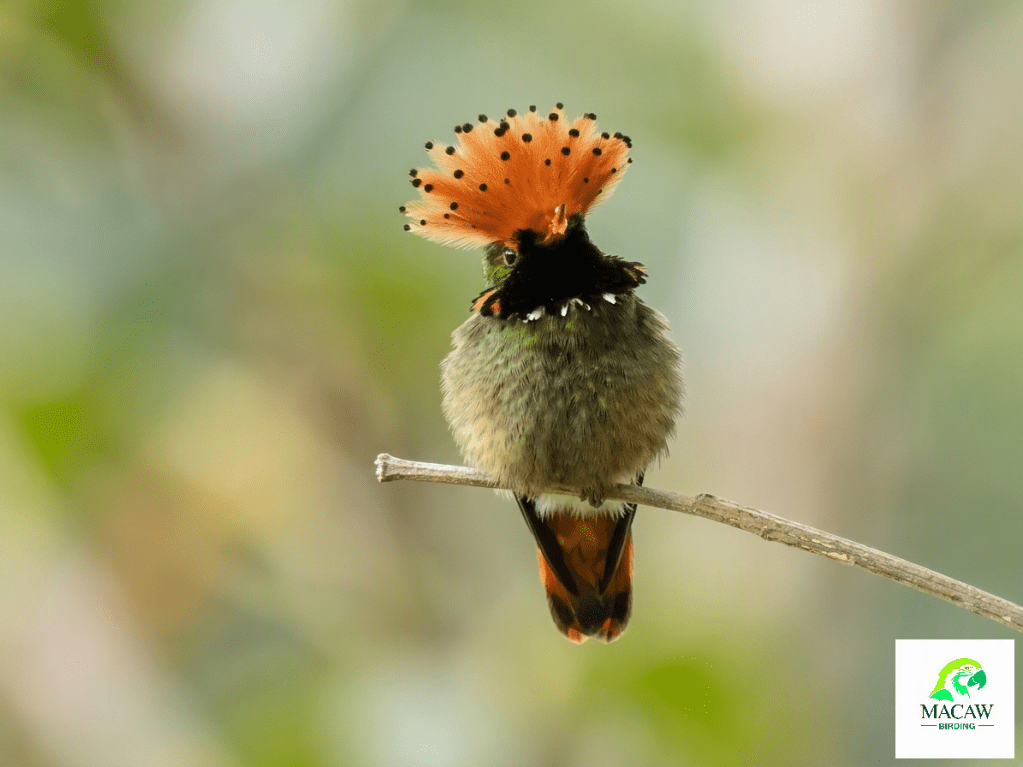
Spangled Coquette © Juan Carlos Crespo
Our morning begins around the lodge parking area, where blooming Verbena flowers attract stunning hummingbirds, such as the Spangled Coquette, Wire-crested Thorntail, Golden-tailed Sapphire, Peruvian Racket-tail and Blue-tailed Emerald. We will also look for the Band-tailed Barbthroat at the Heliconia patches.
Moving just outside the reserve along a quiet dirt road, we will search for the White-necked Parakeet, Gray-chinned Hermit, Lafresnaye’s Piculet, Flame-crested Tanager, Spotted Tanager, and many others. Later, we will bird the outskirts of Zamora and the old Zamora Road. This area is highly productive for the Black-banded Owl, Ecuadorian Tyrannulet, Yellow-bellied Dacnis, Cliff Flycatcher, Short-billed Chlorospingus, and many others.
In the early afternoon, we will depart Copalinga and drive to Paquisha in the spectacular Nangaritza Valley, famous for its dramatic sandstone tepuis along the Cordillera del Cóndor. Along the dirt roads en route, we will search for range-restricted targets like the Bluish-fronted Jacamar, Dusky-cheeked Foliage-gleaner, Yellow-backed Tanager, Purplish Jacamar, Lemon-throated Barbet, Golden-winged Tody-Flycatcher, etc. After birding around Paquisha, we will continue toward the valley and return to Yantzaza.
Target birds: Spangled Coquette, Band-tailed Barbthroat, Foothill Elaenia, White-necked Parakeet, Bluish-fronted Jacamar, Dusky-cheeked Foliage-gleaner, Yellow-backed Tanager, Purplish Jacamar, Lemon-throated Barbet, Golden-winged Tody-Flycatcher, and many others.
Meals & Lodging: All meals included. Overnight in Yantzaza.
DAY 11: SOUTHEAST SECRETS: BIRDING JOURNEY IN NANGARITZA VALLEY
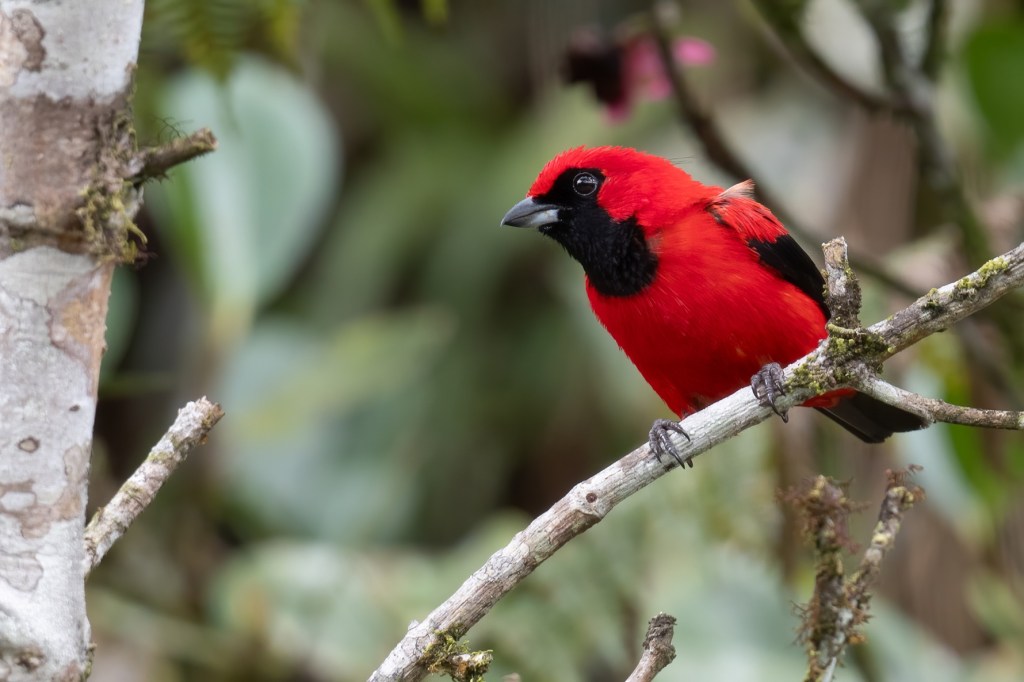
Vermilion Tanager © Ben Lucking
We depart early in the morning from Yantzaza to reach the El Zarza Forest Reserve (Reserva Forestal El Zarza). Upon arrival, we will immediately begin target-birding for an array of specialized species, including the Cinnamon Screech-Owl, Roraiman Flycatcher, Subtropical Pygmy-Owl, Spectacled Prickletail, Equatorial Graytail, Vermilion Tanager, Rufous-browed Tyrannulet, Yellow-throated Tanager, Pygmy Antwren, Bar-winged Wood-Wren, Gray-mantled Wren, White-breasted Wood-Wren, Deep-blue Flowerpiercer and many others.
Later, on the drive back toward Yantzaza before continuing on to Loja, we will scan roadside ponds and marshy areas around El Zarza for Blackish Rail. Continuing downhill along the dirt road, we will look for species such as Scaled Pigeon, Chestnut-bellied Thrush, Little Woodpecker, and White-winged Becard.
Target birds: Cinnamon Screech-Owl, Roraiman Flycatcher, Subtropical Pygmy-Owl, Spectacled Prickletail, Equatorial Graytail, Vermilion Tanager, Rufous-browed Tyrannulet, Bar-winged Wood-Wren, Yellow-throated Tanager, Pygmy Antwren, Gray-mantled Wren and Koepcke’s Screech-Owl, .
In the evening, we will head out for an owling session near Loja to search for the rare and range-restricted Koepcke’s Screech-Owl.
Meals & Lodging: All meals included. Overnight in Loja city
DAY 12: CERRO ACACANA & ROAD TO RADIO TOWERS-SARAGURO
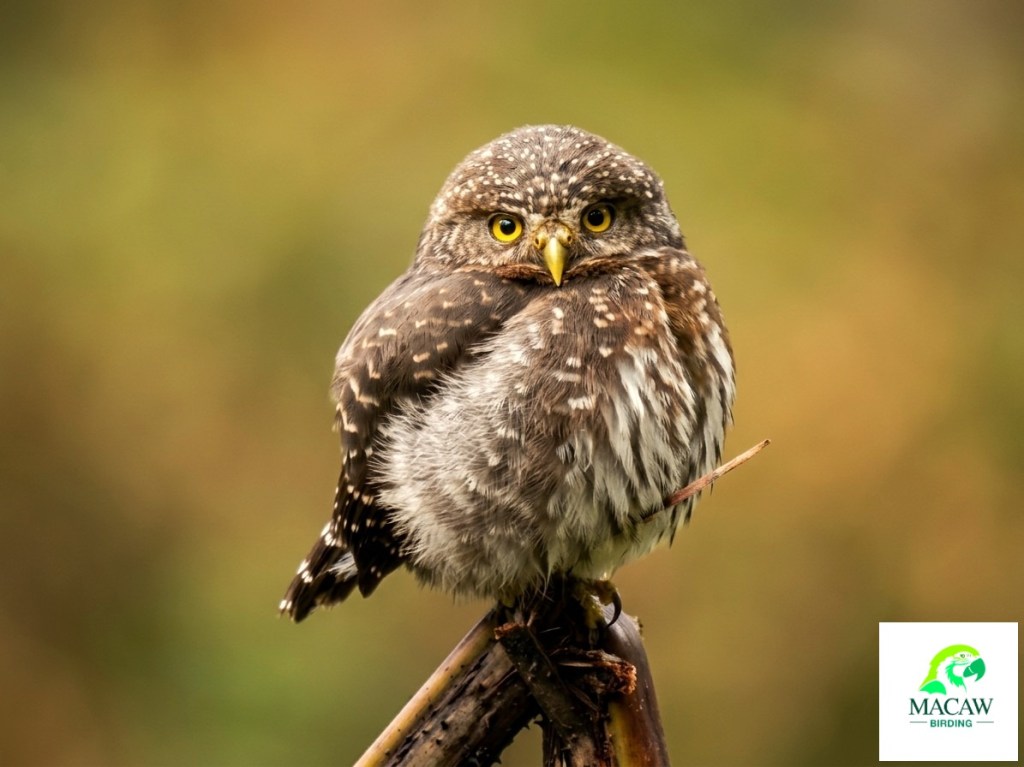
Andean Pygmy-Owl © Juan Carlos Crespo
We depart early from Loja for Saraguro to bird the dirt road leading up to Cerro Acacana, near the radio towers. We’ll focus on catching key species during peak morning activity, keeping an eye out for target highlights such as the Crescent-faced Antpitta, Chestnut-bellied Cotinga, Agile Tit-Tyrant, Ocellated Tapaculo, Páramo Tapaculo, and Black-headed Hemispingus. Other high-value targets include the Gray-breasted Mountain-Toucan, Andean Pygmy-Owl, Glowing Puffleg, Rufous-chested Tanager, Superciliated Hemispingus, and Crowned Chat-Tyrant. In the early afternoon, we’ll drive north to Cuenca, where you can relax and enjoy the rest of the day at our hotel/hostel.
Target birds: Crescent-faced Antpitta, Chestnut-bellied Cotinga, Andean Pygmy-Owl, Agile Tit-Tyrant, Ocellated Tapaculo, Páramo Tapaculo, Black-headed Hemispingus, Gray-breasted Mountain Toucan, and Glowing Puffleg.
Meals & Lodging: All meals included. Overnight in Cuenca city
DAY 13: YUNGUILLA JOCOTOCO RESERVE: IN SEARCH OF THE PALE-HEADED BRUSHFINCH
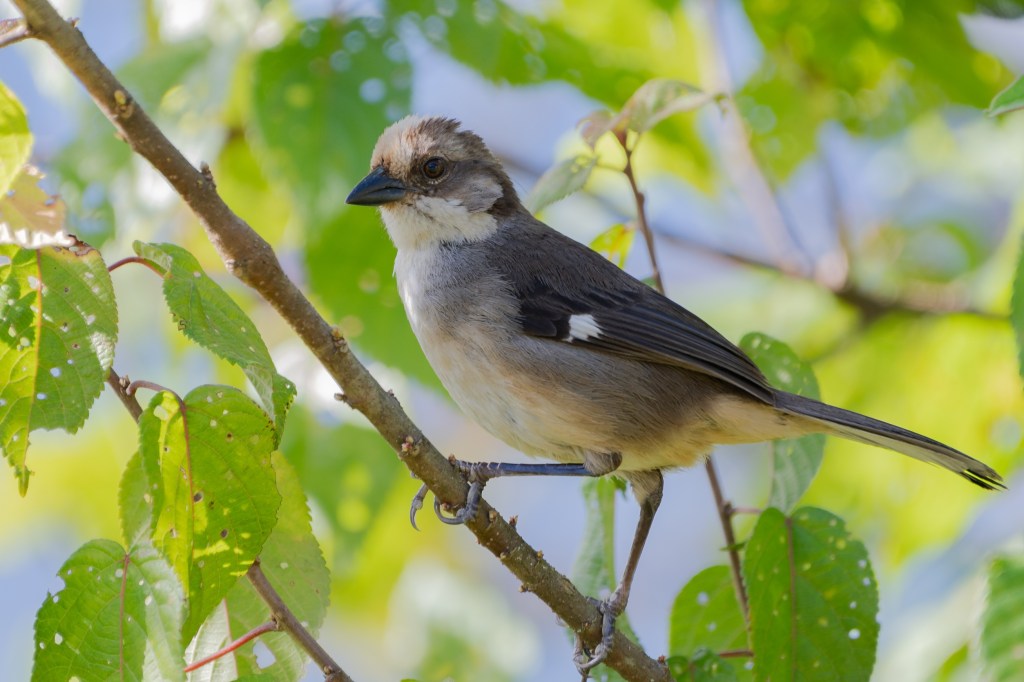
Pale-headed Brushfinch © Paul Molina
We depart early from Cuenca to reach the Yunguilla Reserve, nestled southeast of the city above the Santa Isabel Valley. Here, we will search for one of Ecuador’s most critically endangered birds, the Pale-headed Brushfinch, which was famously saved from extinction following severe declines caused by Shiny Cowbird brood parasitism in the 1990s. Other species present in this dry-scrub habitat include the Chestnut-crowned Antpitta, Blackish Tapaculo, Peruvian Meadowlark, Purple-collared Woodstar, Black-lored Yellowthroat, Fulvous-faced Scrub-Tyrant, Little Woodstar, Pacific Elaenia, Peruvian Pygmy-Owl, and Golden Grosbeak.
By midday, we will head back toward Cuenca to bird in a completely different site called Camino al Cielo (Road to Heaven), which provides excellent opportunities to spot the Red-faced Parrot, Rainbow Starfrontlet, Agile Tit-Tyrant, Yellow-billed Cacique, and Long-billed Starthroat.
Target birds: Pale-headed Brushfinch, Chestnut-crowned Antpitta, Blackish Tapaculo, Peruvian Meadowlark, Purple-collared Woodstar, Black-lored Yellowthroat, Fulvous-faced Scrub-Tyrant, Little Woodstar, Pacific Elaenia, Long-billed Starthroat, Red-faced Parrot, Rainbow Starfrontlet, Agile Tit-Tyrant, Yellow-billed Cacique.
Meals & Lodging: All meals included. Overnight in Cuenca city.
DAY 14: FINAL DAY: EL CAJAS NATIONAL PARK TO GUAYAQUIL
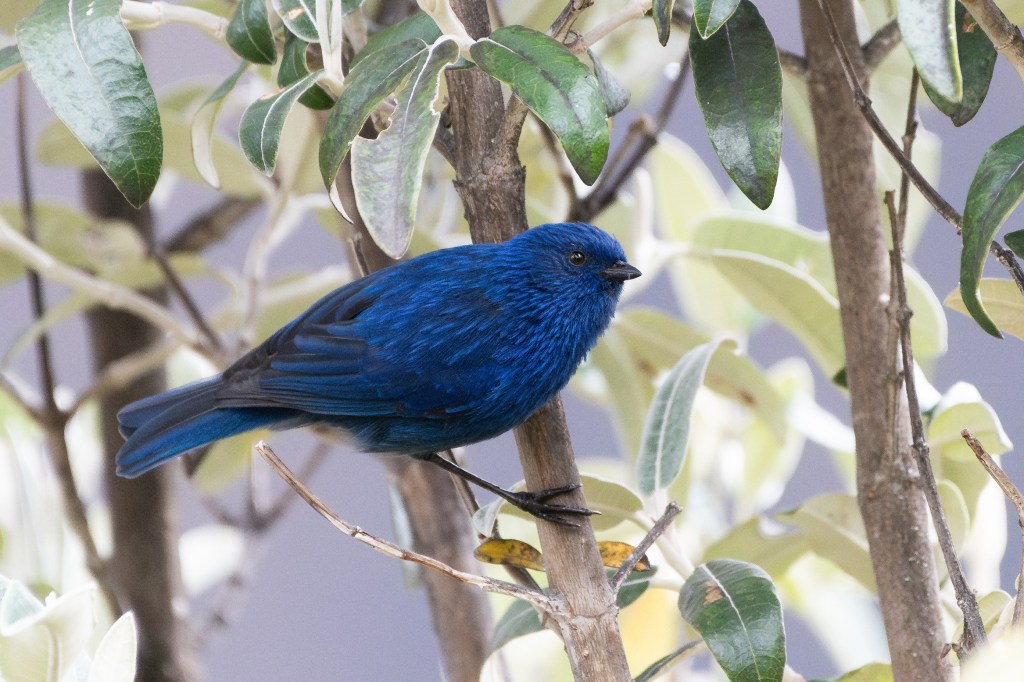
Tit-like Dacnis © Paul Molina
We start our final day with breakfast at the hostel before checking out and heading toward the breathtaking high-altitude alpine lakes and páramo grasslands of El Cajas National Park. On the drive up, we can expect to see Andean Gulls soaring along the lakes bordering the highway. Our first stop is a scenic private reserve where we will search for the Violet-throated Metaltail a stunning, highly localized hummingbird endemic to southern Ecuador. Fortunately, it is locally common here and easy to observe. In the same patches of Polylepis woodland and páramo scrub, we will also look for the Tit-like Dacnis, Ecuadorian Hillstar, Blue-mantled Thornbill, Mouse-colored Thistletail, Andean Tit-Spinetail, Shining Sunbeam, and other species.
From El Cajas, we begin our descent down the western slopes toward the Pacific lowlands on our way back to Guayaquil, stopping for lunch along the way. Once in the lowlands, we will check extensive roadside wetlands where massive numbers of aquatic birds congregate. Here, we hope to cap off the trip with the Comb Duck, Muscovy Duck, Limpkin, Fulvous Whistling-Duck, Snail Kite, and Ringed Kingfisher.
Target birds: Violet-throated Metaltail, Tit-like Dacnis, Giant Conebill, Buff-banded Mountain-Tanager, Andean Tit-Spinetail, Mouse-colored Thistletail, Ecuadorian Hillstar, Blue-mantled Thornbill, Andean Teal, Andean Lapwing, Many-striped Canastero, Chestnut-winged Cinclodes, Comb Duck, Muscovy Duck, Limpkin, Fulvous Whistling-Duck.
Meals & Logistics: All meals included. Drop-off is available at the Guayaquil airport or your designated city hotel.
End of services—we look forward to seeing you on another great adventure!

